Quick answer, as of September 26, 2026
Florida homestead eligibility depends on qualifying ownership and permanent-residence facts, not an FL code on an LES alone. The first $25,000 exemption and the inflation-adjusted additional exemption apply differently to school and non-school levies. Save Our Homes, portability and military-absence provisions are separate issues to confirm with the county property appraiser.
Gregg Costin, Realtor, Levin Rinke Realty
PCSing to the Pensacola area? Share your reporting destination, timeline and comfortable housing budget so we can build a focused home search.
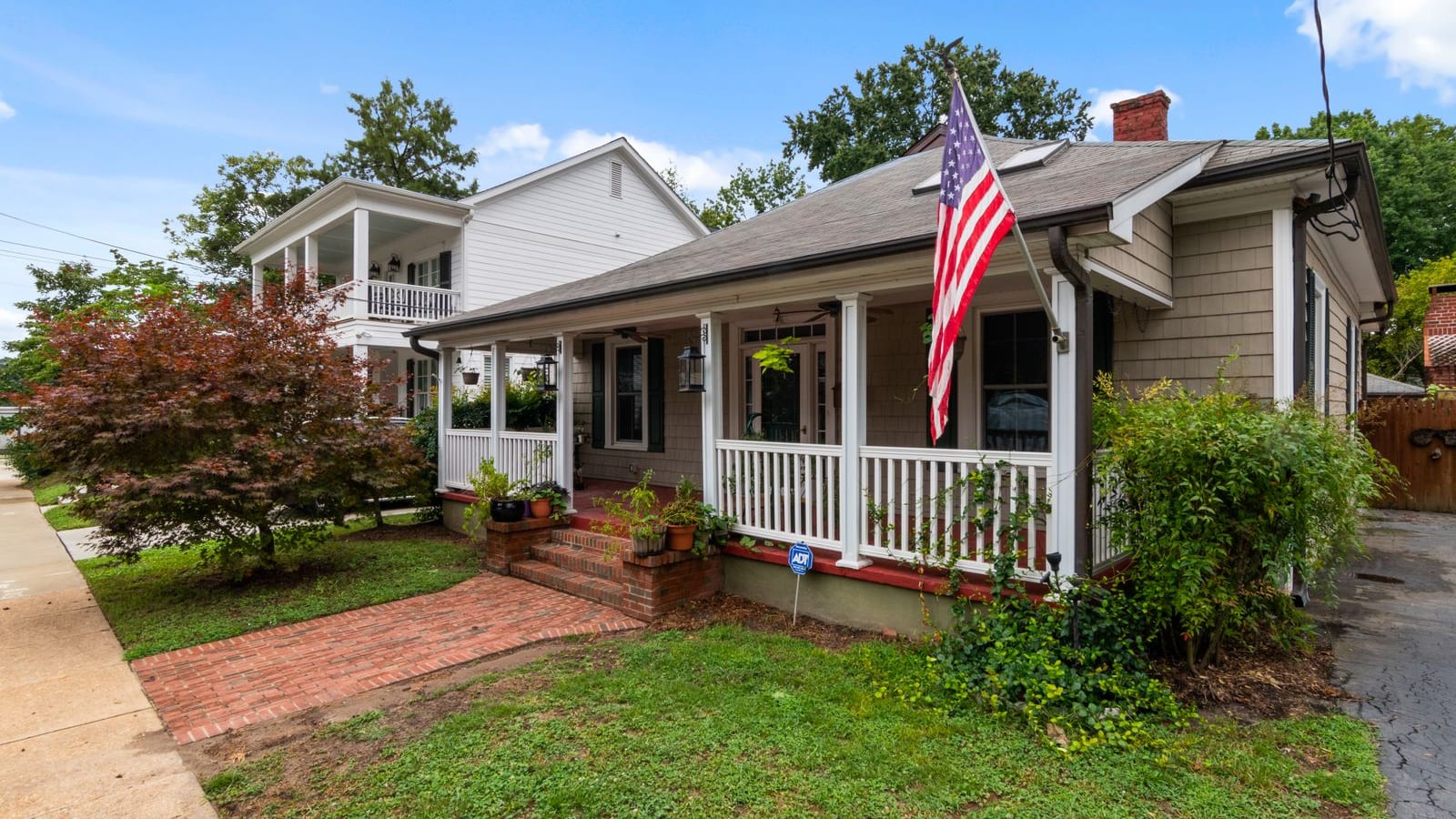

Property taxes deserve their own line in a PCS homebuying plan. The seller's bill can reflect years of assessment limits, exemptions and occupancy history that will not transfer automatically to a new owner. Before comparing homes in Escambia, Santa Rosa or Okaloosa County, request an estimate using your purchase and intended use of the property.
Start with eligibility and the tax-year calendar
The county property appraiser decides the application using qualifying ownership, permanent-residence facts and the applicable rules. January 1 is the key eligibility date for the usual homestead application, and March 1 is the ordinary filing deadline. Ask the county about any applicable late-filing process if a deadline has passed.
An FL state-of-legal-residence entry on an LES is not automatic approval. Nor should a military household change legal residence solely because a website says that is required. Give the property appraiser your ownership, occupancy and service circumstances; use legal assistance or a tax professional when residence rules across states need interpretation.
Keep the exemption and Save Our Homes separate
A qualifying homestead can receive the first $25,000 exemption across property-tax levies. The additional exemption applies to eligible value above $50,000 for non-school levies and is adjusted for inflation. Separate non-ad valorem assessments may remain on the bill. Confirm the tax year's amount and each exemption with the county.
Save Our Homes is an assessment limitation, generally the lower of 3% or the applicable CPI change. It is not a 3% cap on the total tax bill. Tax rates, separate charges, property changes and other circumstances can change what you pay. The limitation and exemptions should appear as separate inputs in the estimate.
A useful example keeps school and non-school values apart
Suppose a hypothetical home has a $400,000 assessed value and qualifies for the full first exemption. The school-taxable value would be $375,000 after that $25,000 exemption. For non-school levies, also subtract the applicable additional exemption from the eligible value. Then apply each taxing authority's rate to the appropriate taxable value.
This is a calculation method, not a quote for a Gulf Breeze or Pensacola parcel. Do not subtract a flat $50,000 from every levy, assume a single countywide millage or promise a five-year savings amount. Use the current appraiser estimate and include separate assessments when building the monthly budget.
Prepare the application before the deadline
Use the county's current application instructions and the documents it requests. Ownership records, identification, residency evidence and any military or benefit documentation should support the situation you are claiming. Keep copies and retain proof of submission. Ask what else is needed while there is time to respond.
After filing, confirm the county's decision and review the proposed tax notice and final bill. Application, exemption approval, lender escrow and the closing proration are separate steps. If one document differs from what you expected, ask the responsible office to explain it rather than assuming the closing agent or lender completed the exemption for you.
Plan for a reassessment after purchase
The seller's current tax amount can be useful history but is not your forecast. Ask for a purchase-based assessment and exemption scenario for the next full tax year. Tell the lender which figures are preliminary so an understated escrow estimate does not become your only affordability test.
Closing prorations allocate taxes between buyer and seller under the contract. They do not establish your later annual bill. Compare homes with a consistent method and reserve for changes while the county establishes the new owner's assessment and exemptions.
Treat portability as a separate application
Florida portability concerns the transfer of a qualifying Save Our Homes assessment difference to a new Florida homestead. It does not transfer the old tax bill or erase the need for a new exemption application. The amount and timing depend on the old and new properties and the statutory conditions.
Give the new county your prior homestead record and the dates involved. Ask it to calculate the allowable transfer and identify the required form and filing deadline. Include the benefit in a purchase estimate only when the assumptions are documented; avoid counting the same exemption or assessment difference twice.
Resolve military absence and rental plans before acting
Military service can create special circumstances involving absence from a qualifying homestead. A PCS order does not automatically prove that an existing exemption ends, or that it continues regardless of how the property is used. Send the county the relevant residence and service facts before relying on the benefit.
If you plan to rent the home, coordinate the tax question with the county and the coverage question with your insurance agent. Also review the mortgage, association documents and property-management plan. Those are separate requirements; an answer from one office does not settle the others.
Ask about other benefits that match your documentation
Veteran, disability, surviving-spouse, senior and other benefits have distinct requirements. A VA rating or a military label does not by itself establish every state or local exemption. Ask which documentation is required and which levies or charges remain payable if a benefit is approved.
For your home search, keep one dated worksheet showing purchase price assumptions, expected assessed value, each exemption, any portability, applicable rates and separate assessments. Gregg can help organize the property comparison. The county property appraiser verifies exemption and assessment treatment, and a qualified tax professional addresses your broader tax situation.
Frequently asked questions
Does Florida on my LES automatically qualify me for homestead?
No. The county property appraiser reviews qualifying ownership and permanent-residence facts under the applicable rules. An LES may be part of the evidence, but its state code is not an approval. Ask the county which documents it needs for your military circumstances.
Is the Florida homestead exemption exactly $50,000?
The first $25,000 exemption and the additional exemption apply to different levies. The additional portion for eligible value above $50,000 is indexed for inflation and does not apply to school levies. Use the county's current-year calculation, and include non-ad valorem charges separately.
Does Save Our Homes cap my tax bill at 3%?
Save Our Homes generally limits the annual increase in qualifying assessed value to the lower of 3% or the applicable CPI change. It does not cap the entire tax bill. Rates, separate assessments, property changes and other circumstances can affect the amount owed.
Can I keep homestead when military orders take me away?
Military-absence provisions may apply to an existing qualifying homestead. Confirm your ownership, residence, service and rental circumstances with the county before assuming the benefit continues or ends. Keep the county's instructions with your PCS and property records.
When should I apply after buying?
Check the January 1 eligibility date and ordinary March 1 filing deadline with the county for the tax year at issue. Begin gathering documents early and retain the decision after filing. Ask about the applicable late-filing process if you missed a deadline.
Can I use the seller's tax bill to estimate my payment?
Use it as history, then request a purchase-based estimate for your ownership and exemption circumstances. The seller's assessment limit and exemptions may differ from yours. Closing prorations and your next full-year bill also answer different questions.
Sources and review
Reviewed September 26, 2026. These sources support the rules summarized above. Examples are hypothetical; eligibility, coverage, costs and transaction terms require review for your circumstances.
Put the next decision in focus
Explore the Site
Work With Gregg
Money Guides
Bases
PCS Planning
Work through the next decision
Review the military homestead and PCS questions before assuming an absence or a rental arrangement preserves the same exemption treatment.
Keeping a home in another state? The part-time Florida home and disabled veteran exemption guide works through the residency test a disabled veteran must meet before the total property-tax exemption applies.